Home Decor Ideas: Simple Ways to Create a Stylish and Functional Space
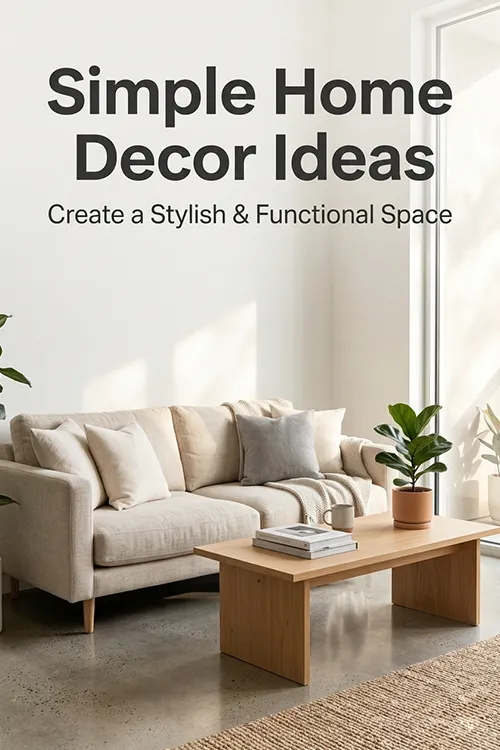
Home decor isn’t just about how a space looks—it’s about how it feels and how well it supports your everyday life. The right layout, colors, and small details make your home easier to live in—and far more enjoyable day to day.
Instead of following every trend, choose what actually fits your lifestyle and space. Even small changes—like adjusting lighting or rearranging furniture—can make a noticeable difference.
This guide covers practical home decor ideas to help you create a space that feels organized, functional, and visually clean without overcomplicating the process.
A well-designed space doesn’t feel full—it feels intentional.
Define Your Home Decor Style
Before choosing furniture or decor pieces, it helps to have a clear sense of your overall style. This keeps your space consistent and makes decorating decisions much easier. Instead of following every trend, focus on a style that feels natural and comfortable for your daily life.
Minimalist Style
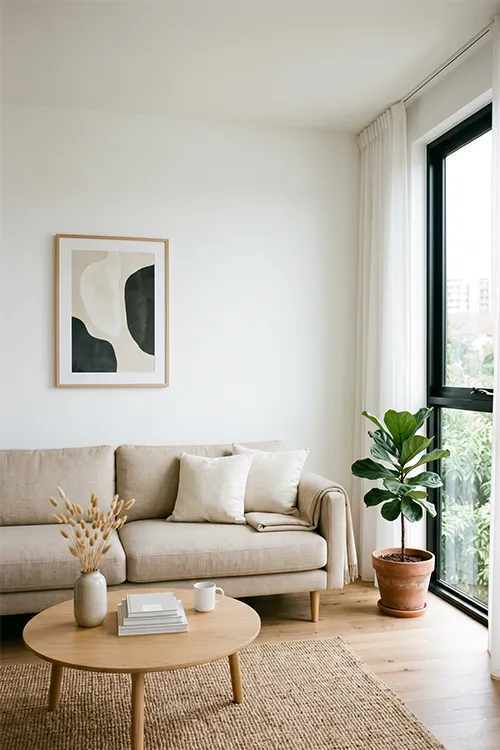
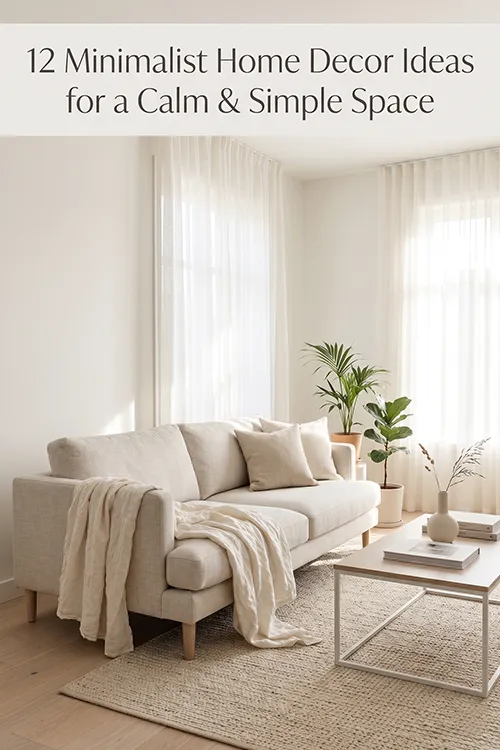
Minimalist decor is built around simplicity and function—every piece earns its place, and nothing feels unnecessary. Spaces are kept clean with minimal furniture, neutral colors, and very little clutter. Each item has a purpose, which helps create a calm and organized environment.
If you’re drawn to a simpler, more intentional way of decorating, you can explore a deeper approach in 12 Minimalist Home Decor: A Slower, Softer Way to Live at Home.
Modern Style
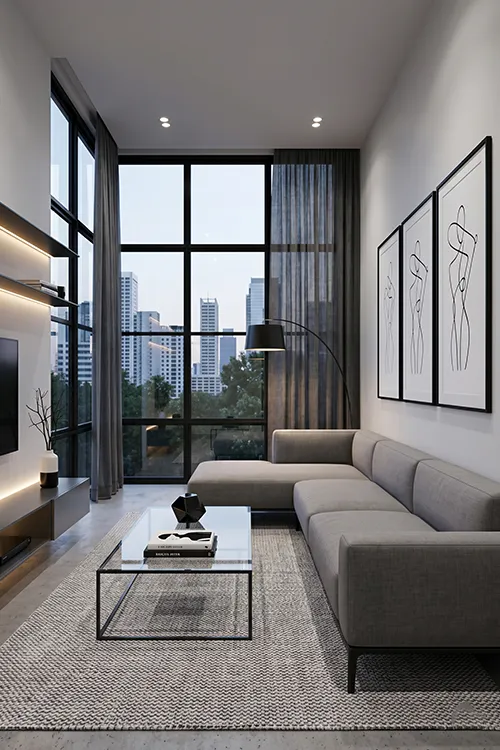
Modern decor focuses on clean lines and smooth surfaces, creating a refined look that feels structured but not heavy. It often uses neutral tones like white, gray, and black, paired with simple furniture and subtle decor accents. The overall feel is sleek and uncluttered.
Boho Style
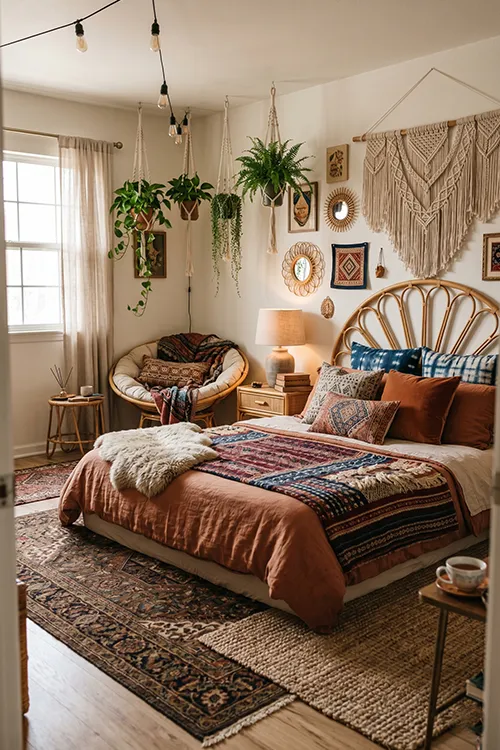
Boho decor feels relaxed and expressive, with layers of texture that make the space feel lived-in rather than styled. It combines different textures, patterns, and natural materials like wood and rattan. Plants, layered textiles, and earthy tones give this style a cozy and lived-in feel.
Scandinavian Style
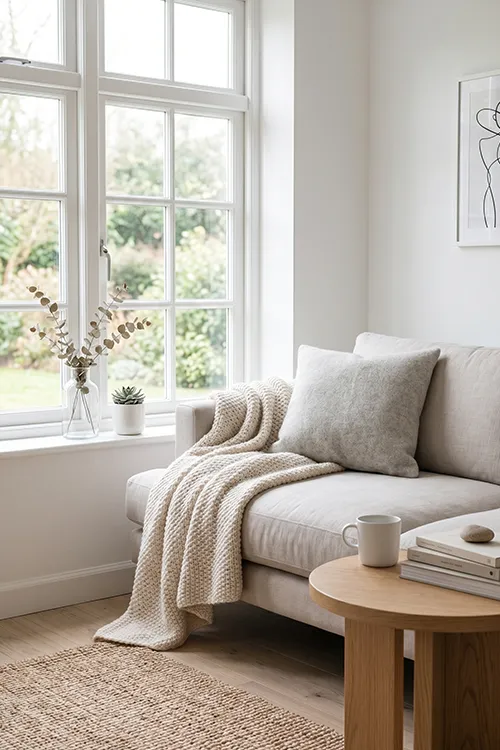
Scandinavian decor blends simplicity with comfort. It features light colors, natural wood elements, and soft textures. The goal is to create a bright, airy space that still feels warm and inviting.
Rustic Style
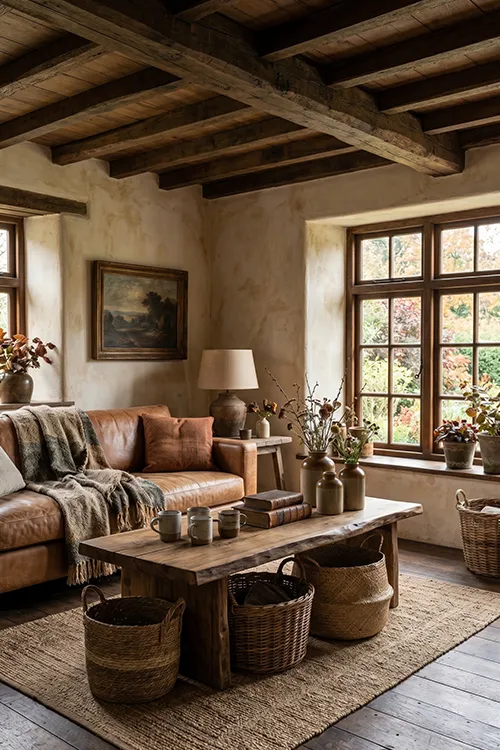
Rustic decor is inspired by natural materials and a warm, earthy look. Wood, stone, and soft neutral tones are commonly used. The style focuses on comfort and a slightly raw, natural aesthetic that feels grounded and cozy.
Choosing the Right Color Palette
Color is often the first thing you notice in a room—and one of the hardest things to get right. Colors shape how a space feels, how large it appears, and how easy to live in. A well-balanced palette brings everything together, while the wrong combination can make a room feel disconnected or overwhelming.
Neutral vs Bold Palettes
Neutral palettes use shades like white, beige, gray, and soft earth tones. They create a calm, timeless look and are easy to build around. Neutral spaces also allow furniture and textures to stand out without competing for attention.
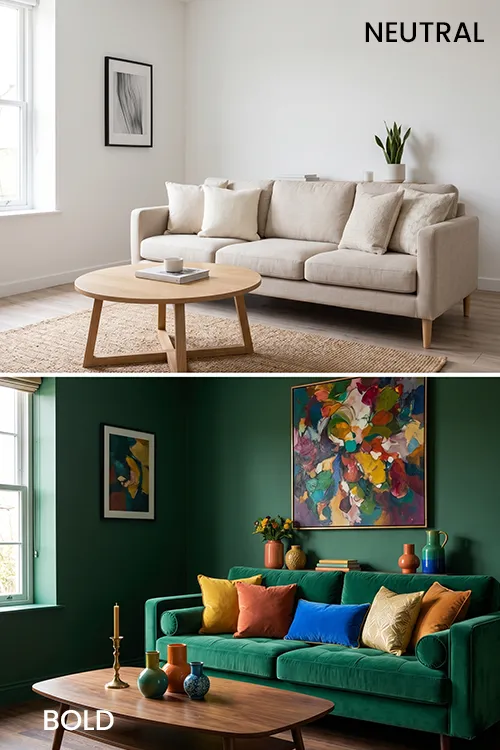
Bold palettes bring energy and personality into a room—but they work best when used with restraint. Deep blues, greens, terracotta, or even contrasting colors can make a space feel more expressive. The key is balance—using bold colors thoughtfully rather than covering the entire room.
Neutral palettes also tend to age better, making them a more reliable long-term choice.
Warm vs Cool Tones
Warm tones include colors like beige, brown, terracotta, and soft yellows. These shades create a cozy and welcoming atmosphere, making them ideal for living rooms and bedrooms.
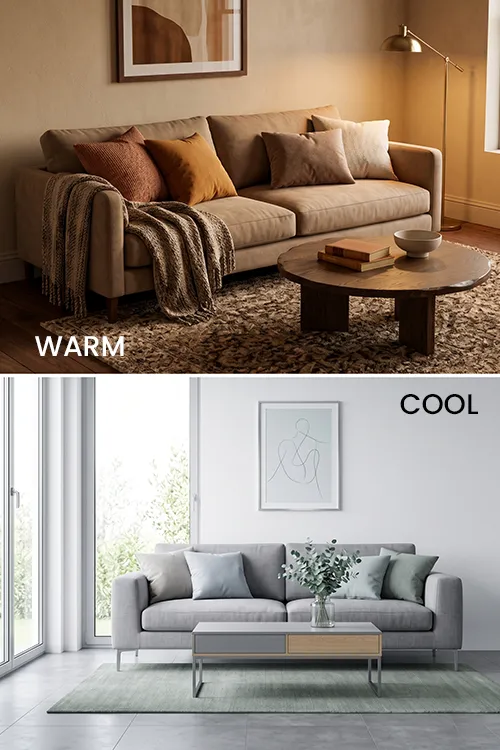
Cool tones such as blue, gray, and soft green offer a more relaxed and refreshing feel. They work well in spaces where you want a clean and calming environment, like bedrooms or work areas.
Mixing warm and cool tones can add depth, but keeping one as the dominant tone helps maintain balance.
Accent Colors
Accent colors are used to add contrast and interest without overwhelming the space. These are usually introduced through cushions, artwork, rugs, or small decor pieces.
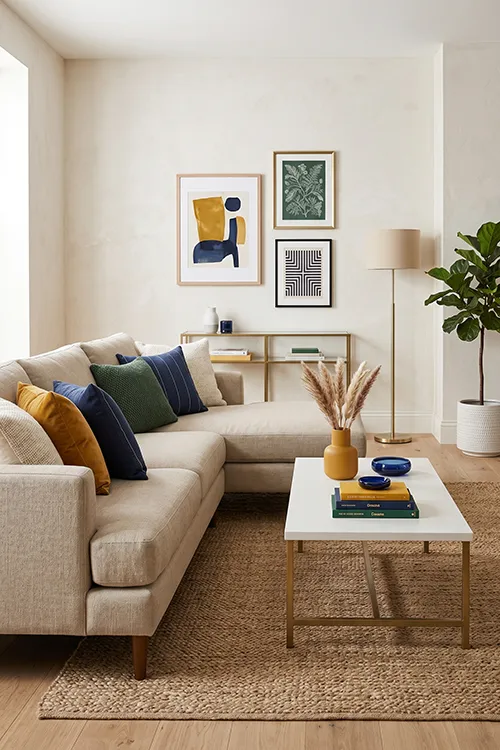
A simple approach is to keep the base neutral and add one or two accent colors. This keeps the room interesting while still feeling cohesive.
Color Psychology in Interiors
Colors can influence mood in subtle ways. Soft neutrals often create a sense of calm and balance, while warmer tones can make a space feel more welcoming. Cooler shades tend to feel fresh and relaxing, which can help create a peaceful environment.
When choosing colors, think about how you want each room to feel. Home isn’t just about how it looks—it’s also about how it supports your everyday mood and lifestyle.
Core Elements That Make Home Decor Work
A well-decorated home comes together when a few key elements work in balance—layout, lighting, and texture. Instead of focusing on individual pieces, it helps to think about how everything connects—how the layout flows, how lighting sets the mood, and how textures and details add depth.
This becomes even more noticeable in smaller spaces where every piece matters.
Furniture Placement and Flow
Furniture layout plays a major role in how a space feels and functions. The goal is to create a layout that feels natural and allows easy movement without crowding the room.
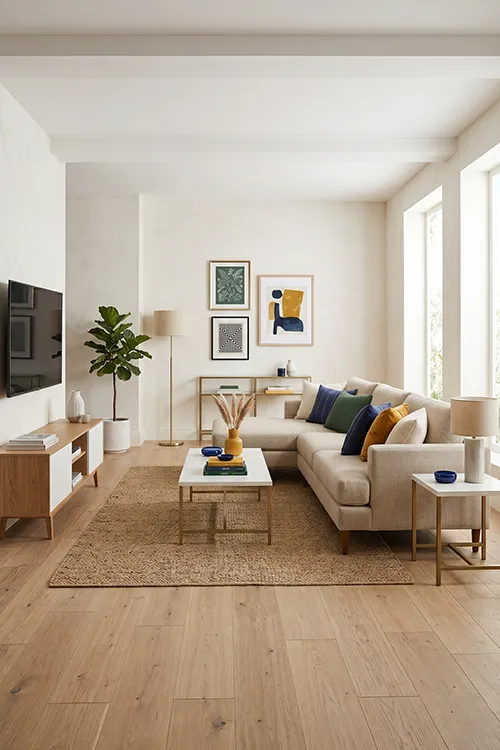
Start by placing larger pieces like sofas or beds first, then arrange smaller items around them. Keep enough space between furniture to avoid a cramped look, and try to create a clear focal point—like a coffee table, TV unit, or statement piece. A well-planned layout makes the room feel more open and easier to use.
Lighting Layers (Ambient, Task, Accent)
Lighting is often overlooked, but it completely changes the mood of a space. Instead of relying on a single light source, layering different types of lighting creates depth and flexibility.
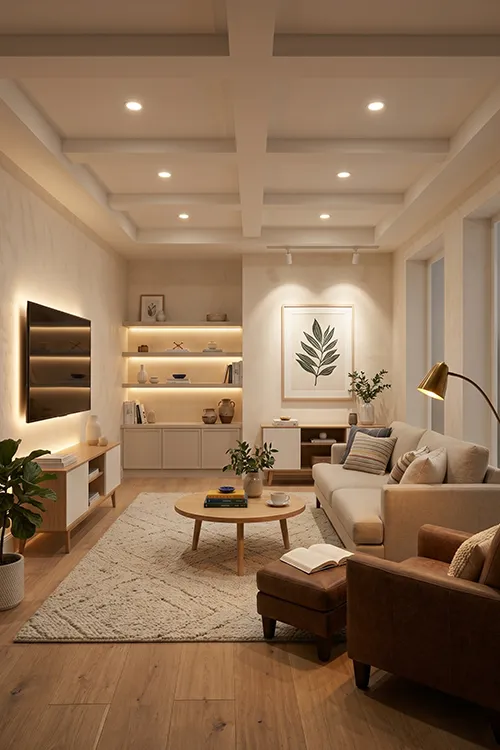
- Ambient lighting: General lighting that brightens the whole room
- Task lighting: Focused lighting for activities like reading or working
- Accent lighting: Decorative lighting that highlights specific areas
Combining these layers makes the space feel both functional and comfortable.
Textiles (Rugs, Curtains, Cushions)
Textiles add warmth, softness, and texture. Without them, a room can feel flat—almost unfinished.
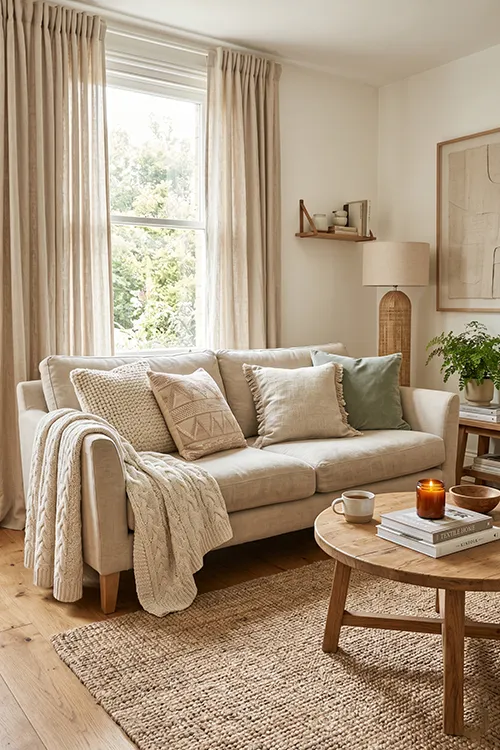
Rugs help define areas, especially in open spaces. Curtains soften windows and add height to a room, while cushions and throws bring comfort and subtle color variation. Mixing different textures—like cotton, wool, or linen—adds depth without making the space look busy.
Decorative Accents (Art, Vases, Candles)
Decorative accents are what give a space personality. These small details help tie everything together and reflect your personal style.
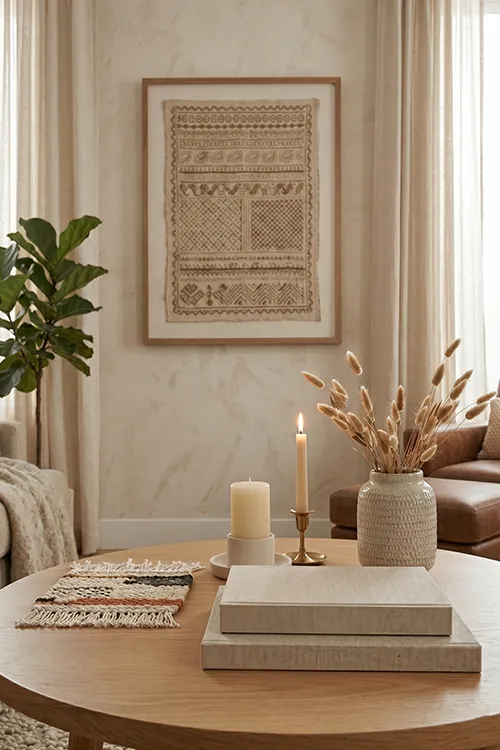
Wall art can act as a focal point, while vases, candles, and small objects add layers of interest. The key is to avoid overloading surfaces—choosing a few meaningful pieces often works better than filling every corner.
Plants and Natural Elements
Bringing natural elements into your home adds freshness and balance. Plants, even in small amounts, can make a space more lively and relaxed.
Even one or two plants can noticeably shift how a room feels.
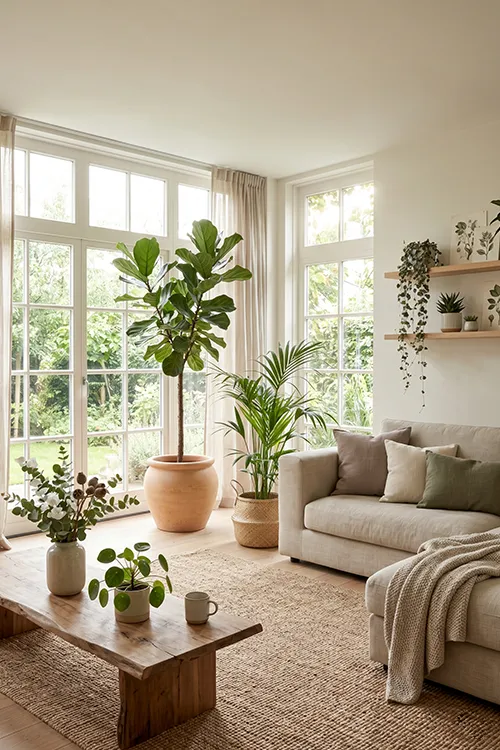
You can use potted plants, fresh flowers, or even dried arrangements to introduce a natural touch. Materials like wood, stone, and woven textures also help create a more grounded and calm environment.
Room-by-Room Home Decor Ideas
Every room in your home serves a different purpose—and should be designed around how you actually use it. Instead of decorating every room the same way, focus on how each space is used to create a more balanced and comfortable home.
Living Room: Comfort and Easy Conversation
The living room is often the most used space, so comfort should come first. Arrange seating in a way that encourages conversation, such as placing sofas and chairs facing each other or around a central coffee table.
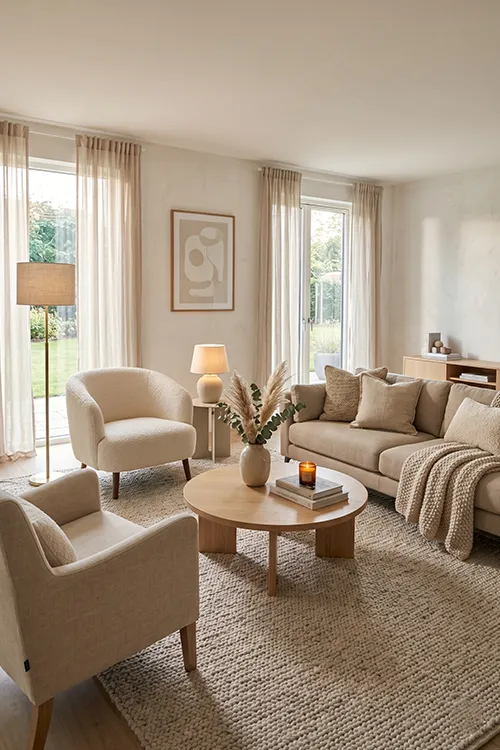
Soft textiles, warm lighting, and a few well-chosen decor pieces can make the space more approachable without overcrowding it. Keeping the layout open and easy to move through helps maintain a relaxed atmosphere.
Bedroom: Calm and Restful
A bedroom should feel calm and uncluttered. Soft, neutral colors work well to create a peaceful environment, while minimal decor helps reduce visual noise.
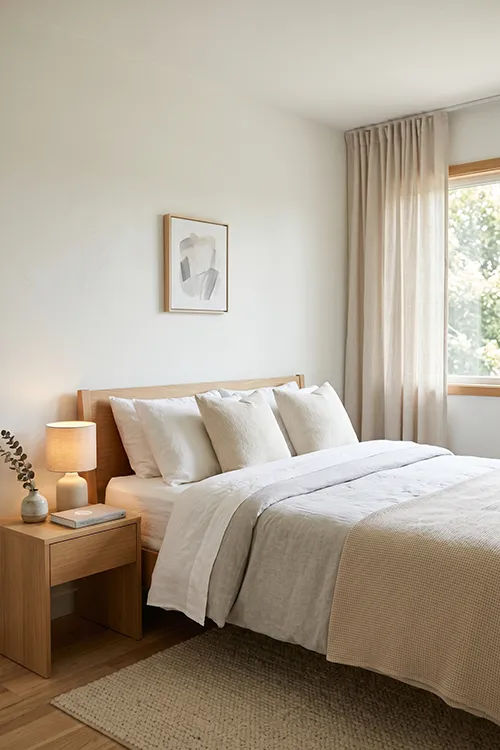
Focus on comfortable bedding, subtle lighting, and a few personal touches like artwork or cushions. Keeping surfaces clean and organized makes the room feel more restful and easier to unwind in.
A calmer space often leads to better rest, even if the changes are small.
Kitchen: Functional and Clean
The kitchen is a practical space, but it can still feel styled and put together. Keeping countertops clear and organized makes the space more functional and visually appealing.
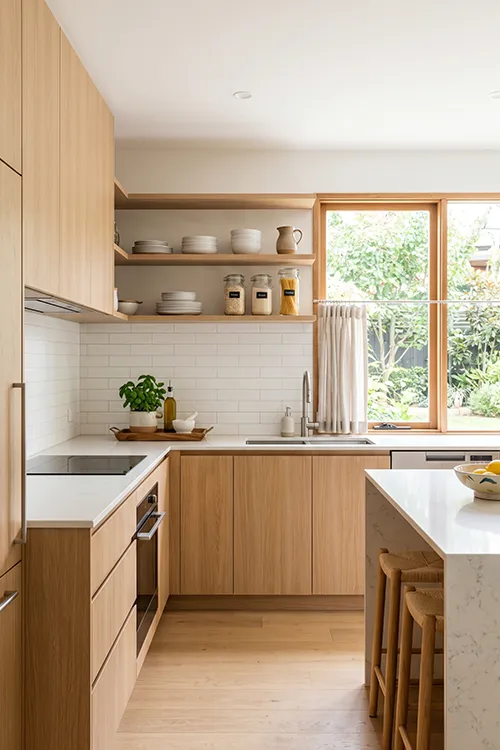
Simple decor elements like a wooden tray, fresh herbs, or minimal storage containers can add character without getting in the way. A clean and structured layout helps the kitchen stay efficient and easy to use.
Bathroom: Fresh and Simple
Bathrooms benefit from a clean, simple approach. Light colors, minimal decor, and natural materials can create a fresh, spa-like feel.
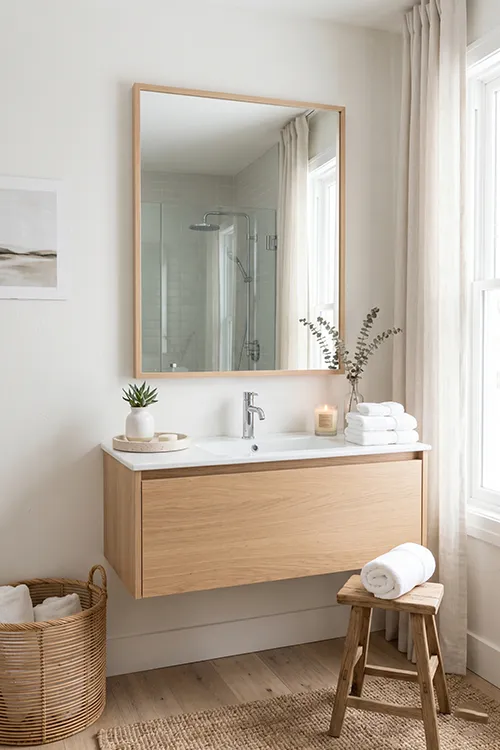
Small additions like neatly folded towels, a candle, or a plant can make the space feel more relaxed. Keeping things organized helps maintain a sense of calm and cleanliness.
Entryway: Welcoming and Organized
The entryway sets the tone for your home. Even a small space can feel inviting with a few thoughtful details.
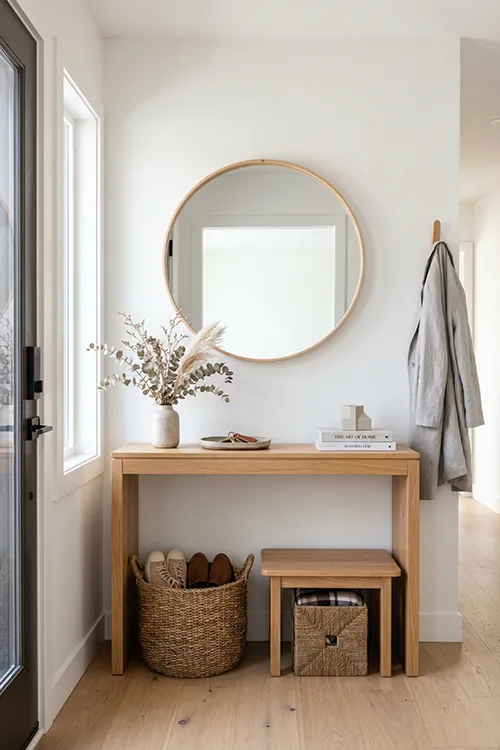
A simple console table, a mirror, and a small decorative element like a vase or tray can make the space feel complete. Adding storage for shoes, keys, or bags helps keep things organized and practical.
How to Make Small Spaces Look Bigger and Better
Decorating a small space is less about limitation and more about making intentional choices. With the right approach, even compact areas can feel open, functional, and thoughtfully designed. The goal is to use space efficiently while maintaining a clean and structured look.
Use Multi-Functional Furniture
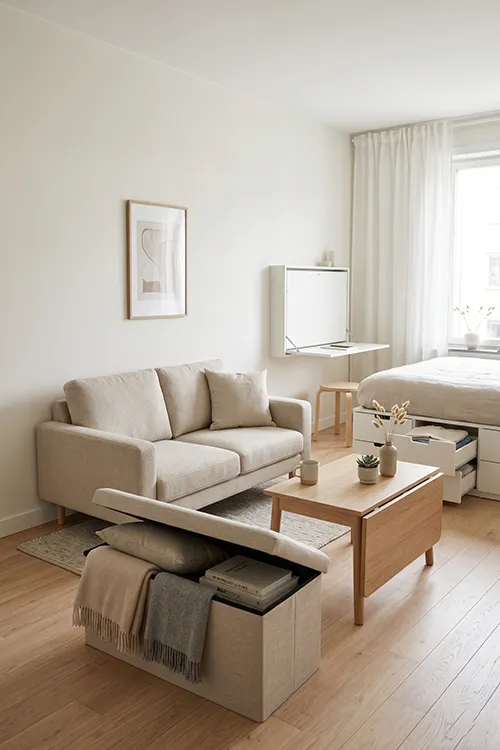
In smaller homes, furniture should serve more than one purpose. Pieces like storage ottomans, foldable tables, or beds with built-in drawers help reduce clutter while maximizing usability. This helps you keep essentials without overcrowding the room.
Add Mirrors to Create Depth
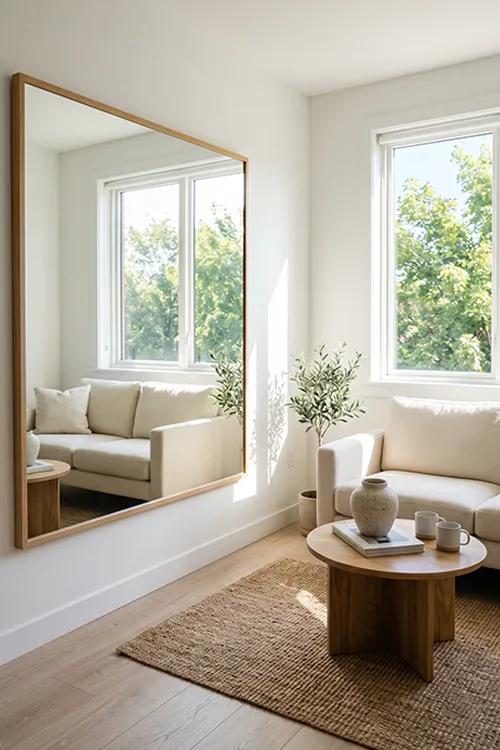
Mirrors are one of the simplest ways to make a space feel larger. Placing a mirror opposite a window helps reflect natural light, making the room appear brighter and more open. Even a single well-placed mirror can visually expand the space.
Take Advantage of Vertical Storage
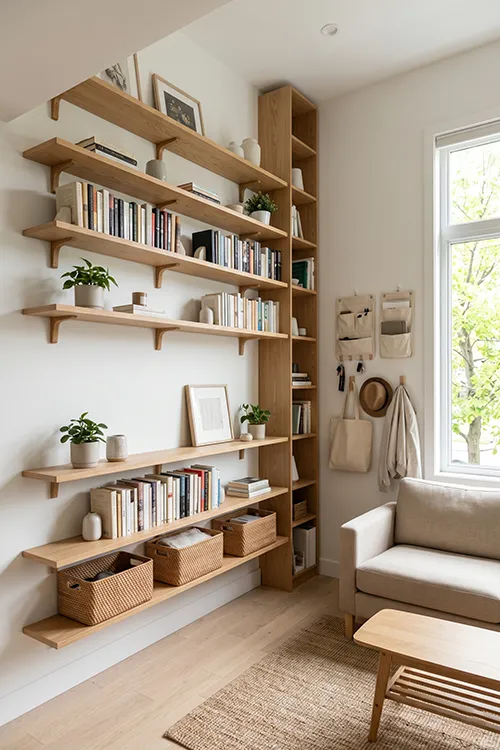
When floor space is limited, using vertical space becomes essential. Wall-mounted shelves, tall cabinets, or hanging organizers help keep items off the ground while maintaining accessibility. This keeps the room organized without taking up valuable floor area.
Keep the Layout Open and Uncluttered
An open layout makes a small space feel less cramped. Avoid overcrowding furniture and leave enough room for easy movement. Choosing fewer, well-placed items instead of filling every corner helps create a more breathable and comfortable environment.
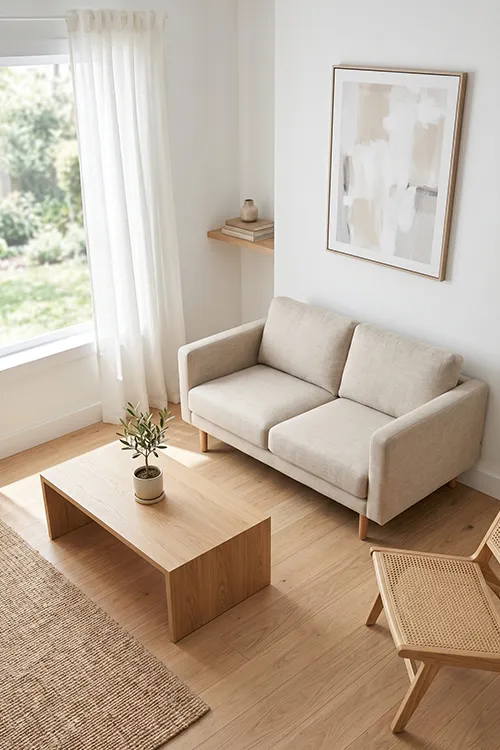
Small changes can have a big impact. By focusing on functionality, light, and smart storage, even the smallest spaces can feel more open, practical, and comfortable.
Budget-Friendly Home Decor Ideas
Decorating your home doesn’t have to be expensive. With a thoughtful approach, small changes can make a noticeable difference without stretching your budget. The key is to focus on creativity, practicality, and making the most of what you already have.
Good design isn’t about spending more—it’s about making better choices.
Try DIY Decor Projects
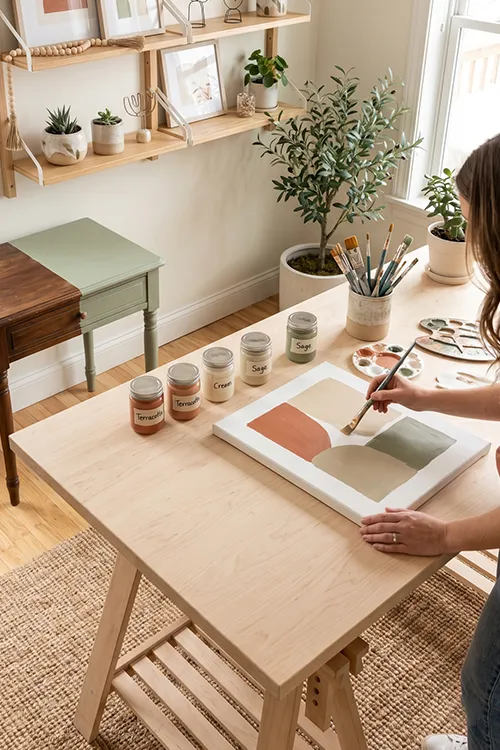
DIY decor is one of the easiest ways to personalize your space while saving money. Simple projects like creating wall art, repainting old furniture, or making handmade decor pieces can instantly refresh a room. Even small touches—like framing prints or styling shelves—can add character without requiring a large investment.
Explore Second-Hand or Thrift Finds
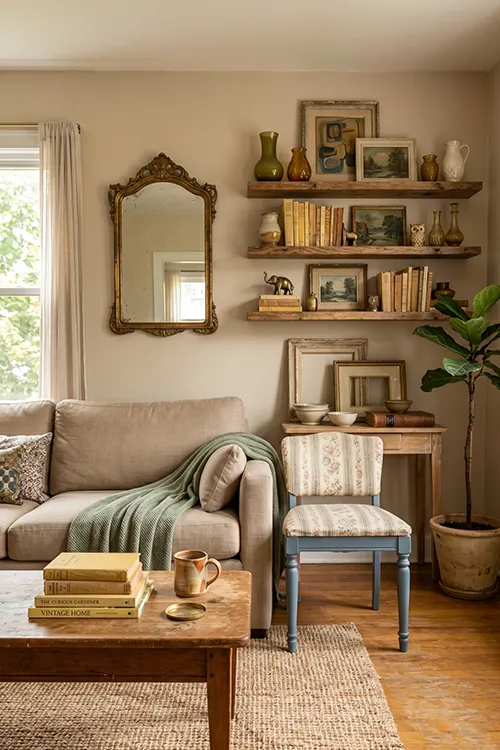
Second-hand stores, flea markets, and online marketplaces often have unique pieces at a fraction of the cost. Furniture, mirrors, or decorative items can be updated with a little cleaning or a fresh coat of paint. These pieces also help create a more personalized space, rather than a room that feels overly uniform.
Refresh with Small Updates
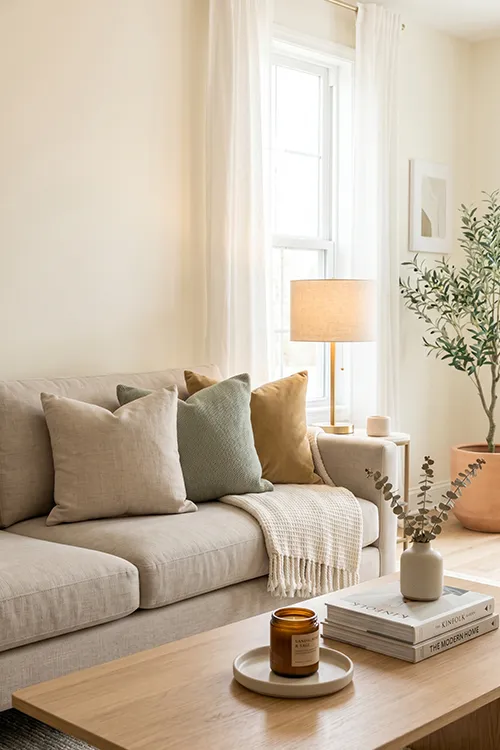
Sometimes, the simplest changes have the biggest impact. Swapping out cushions, adding a new throw, or updating lighting can quickly transform the mood of a space. These updates are affordable and easy to change over time, making them a practical way to keep your home feeling fresh.
Repurpose What You Already Have
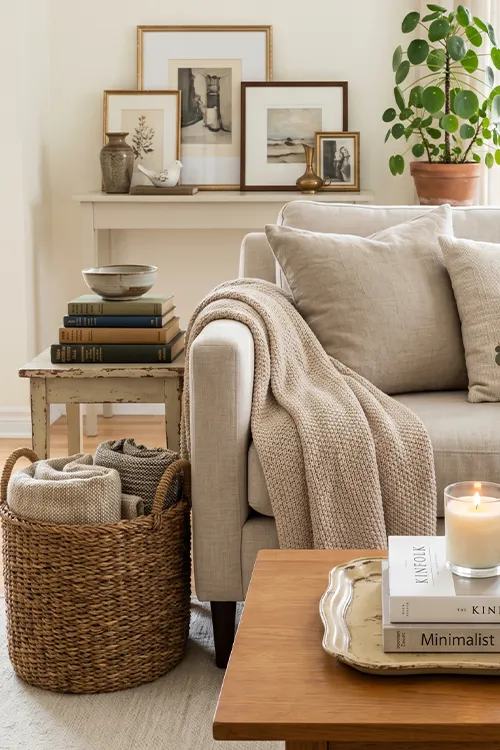
Before buying anything new, look around your home for items that can be used differently. A basket can become storage, a tray can organize a coffee table, or a piece of decor can be moved to a new room. Rearranging and reusing items helps create a refreshed look without additional cost.
Focusing on simple, meaningful changes often brings the best results. By combining creativity with practical choices, you can create a space that feels comfortable, personal, and well-designed—without overspending.
Seasonal Home Decor Ideas
Updating your home with the seasons keeps the space feeling fresh and in tune with your surroundings. Instead of making major changes, small, thoughtful updates can shift the mood of a space and make it feel more comfortable throughout the year.
Light Fabrics and Bright Tones (Warmer Months)
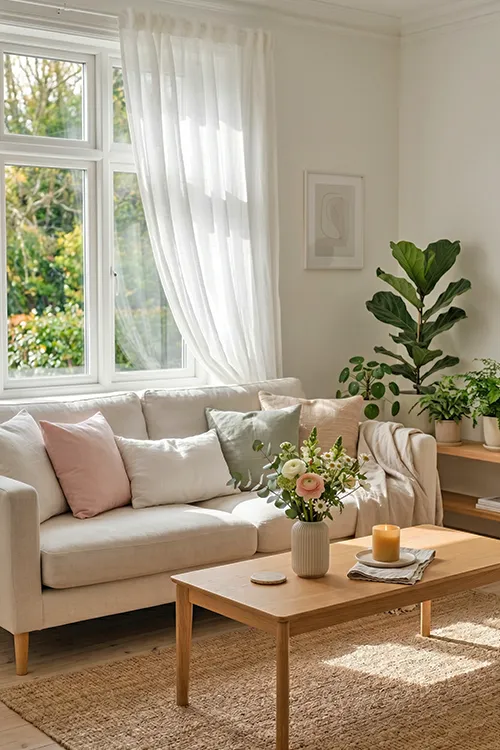
During spring and summer, focus on creating a light and airy feel. Swap heavier fabrics for breathable materials like cotton or linen, and introduce brighter tones such as soft whites, pastels, or muted greens. Let in as much natural light as possible, and keep decor minimal to maintain an open, fresh atmosphere.
Cozy Textures and Warm Lighting (Cooler Seasons)
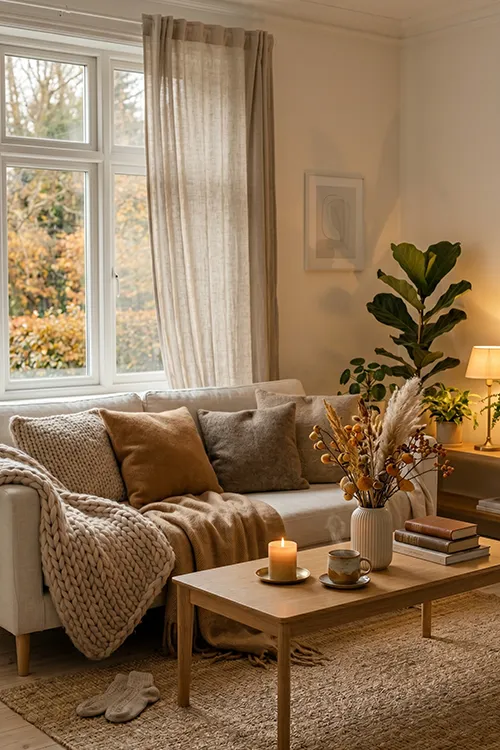
As the weather cools, bring in warmth through layered textures and softer lighting. Add throws, cushions, and rugs in materials like wool or knit to create a more comfortable environment. Warm-toned lighting, such as table lamps or candles, helps make the space feel warm and relaxed.
Subtle Decorative Accents (Festive Periods)
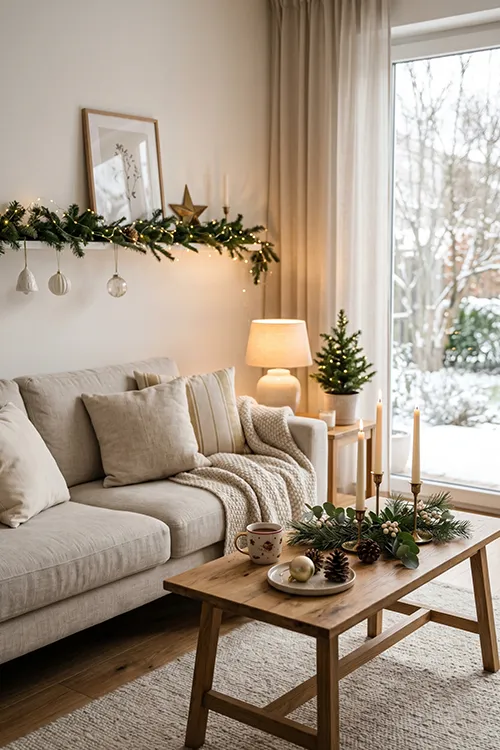
For festive times, small decorative touches can make a big difference without overwhelming your space. Simple additions like seasonal centerpieces, soft lighting, or themed accents help reflect the occasion while keeping the overall decor balanced and consistent.
These small updates can change the mood of your space throughout the year. By adjusting textures, colors, and lighting with the seasons, your home can feel refreshed, comfortable, and aligned with the time of year without requiring a complete redesign.
Common Home Decor Mistakes to Avoid
Decorating your home is about creating a space that feels comfortable and well arranged. Small missteps can make a room feel cluttered or uninviting, even when the individual pieces are well chosen. Being mindful of a few common mistakes can help you create a more well-matched and functional space.
Overcrowding Rooms with Too Many Items
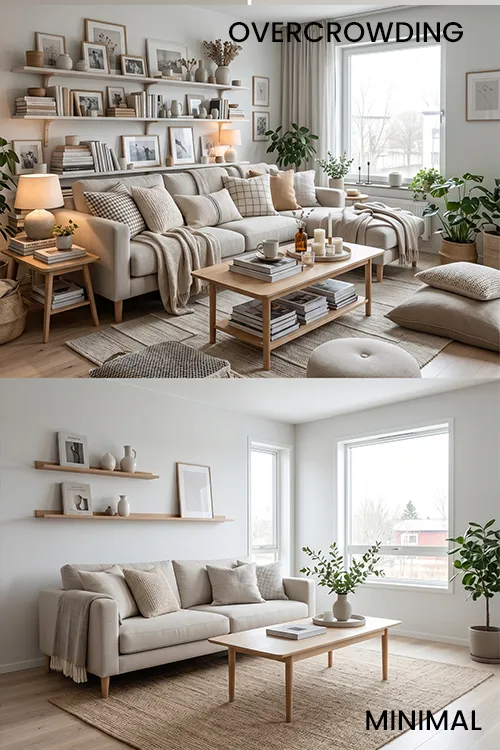
Adding too much furniture or decor can make a space feel cramped and overwhelming. Instead of filling every corner, focus on a few well-placed pieces that allow the room to breathe. Open space is just as important as the items you include.
Ignoring Proper Lighting
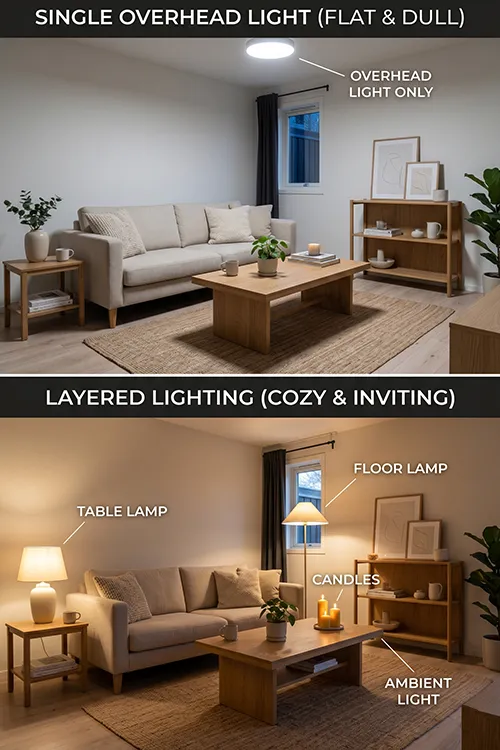
Lighting plays a major role in how a room looks and feels. Relying on a single overhead light can make a space feel flat. Layering different types of lighting—ambient, task, and accent—helps create depth and makes the room more functional and pleasant.
Choosing Furniture That Doesn’t Fit the Space
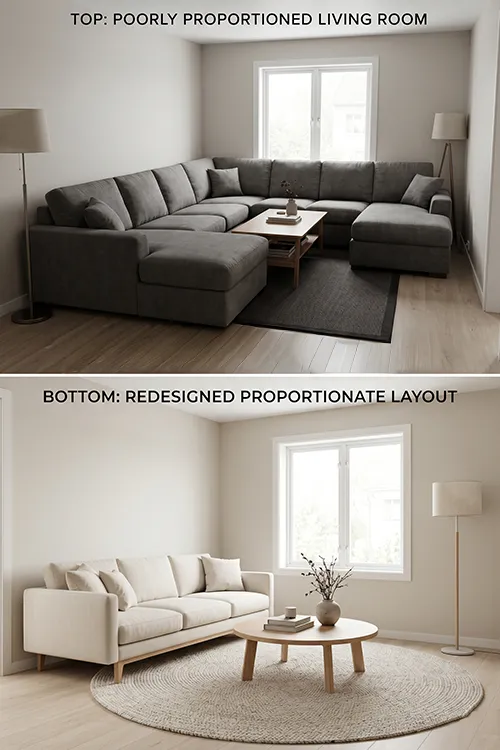
Furniture that is too large can dominate a room, while pieces that are too small can feel out of place. Measuring your space and selecting proportionate furniture helps maintain balance and ensures the room functions comfortably.
Mixing Too Many Colors or Styles
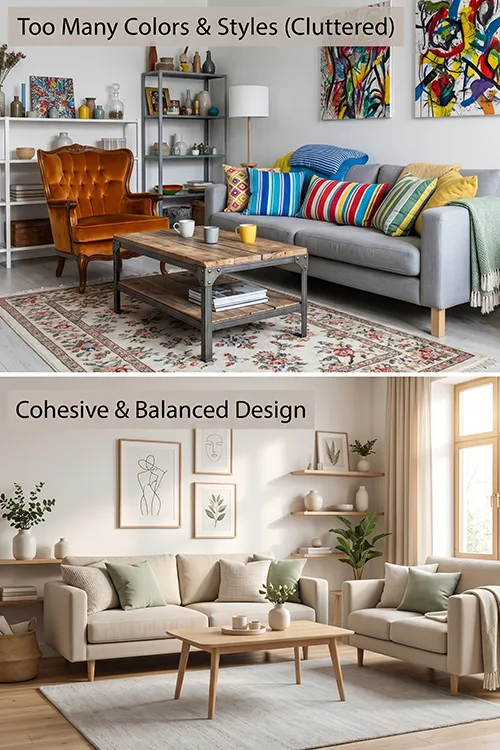
While variety adds interest, too many colors or conflicting styles can make a room feel disorganized. Sticking to a consistent color palette and a clear style direction helps create a more cohesive and visually pleasing space.
Decorating Without a Clear Plan
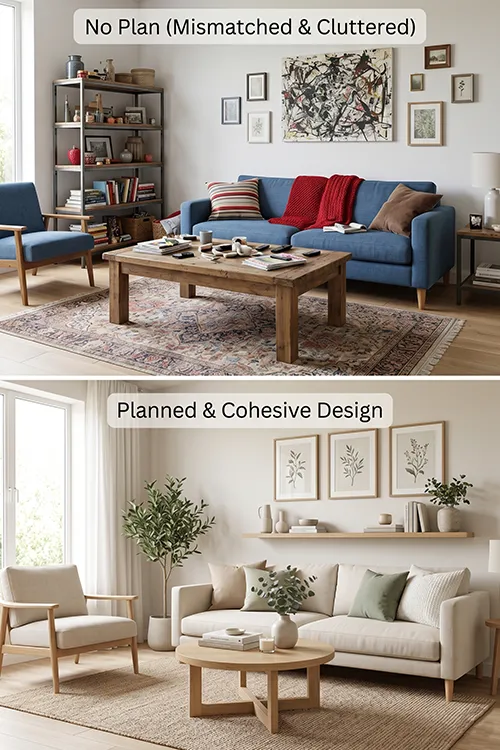
Jumping into decorating without a plan often leads to mismatched pieces and unnecessary purchases. Taking time to define your style, layout, and color palette before adding items helps create a more intentional and thoughtfully arranged space.
Keeping things simple and well arranged almost always works best. By focusing on proportion, lighting, and a clear direction, you can avoid common mistakes and create a home that feels both functional and visually balanced.
A Simple Approach to Decorating
Decorating your home becomes easier when you break it down into clear, manageable steps. Instead of trying to do everything at once, focusing on a structured approach helps create a space that feels balanced, comfortable, and well thought out.
Start with a Clear Idea of Your Style
Before adding anything new, take a moment to define the overall look you want. Whether it leans minimal, modern, or cozy, having a direction makes decision-making easier and keeps your space consistent.
Choose a Consistent Color Palette
A cohesive color palette helps tie everything together. Sticking to a few complementary shades—whether neutral or slightly bold—creates a sense of harmony and prevents the space from feeling scattered.
Arrange Furniture for Comfort and Flow
Furniture should be placed in a way that feels natural and easy to move around. Focus on creating clear pathways and comfortable seating arrangements so the space works for everyday use.
Add Layers Through Textiles and Decor
Introduce depth with rugs, cushions, curtains, and small decorative pieces. These elements soften the space and add visual interest without making it feel crowded.
Finish with Small Personal Touches
Once the basics are in place, add a few personal details like artwork, books, or meaningful objects. These finishing touches help make the space feel more lived-in and unique.
Final Thought
Taking it step by step makes the process more manageable. By focusing on one layer at a time, you can build a space that feels consistent, functional, and comfortable without feeling overwhelmed.
FAQ
What is the easiest way to start home decor?
Begin by decluttering, then focus on one room at a time. Starting small helps you make better decisions and keeps the process manageable.
How can I make my home look more put together?
Use a consistent color palette and avoid overcrowding. Keeping things simple and cohesive helps create a more balanced and organized look.
What colors make a space feel bigger?
Light and neutral tones help create an open feel. Shades like white, beige, and soft gray reflect light and make a room appear more spacious.
The best spaces aren’t the ones with more—they’re the ones that feel right.
Simple Ways to Improve Your Home Decor Without a Complete Redesign
Home decor is about creating a space that feels comfortable, practical, and true to your personal style. It’s not about making drastic changes or following every trend, but about making thoughtful choices that improve how your home looks and functions.
Simple updates—like adjusting layouts, adding textures, or refining color choices—can have a meaningful impact without requiring a large budget. When each element works together, even small spaces can feel carefully put together and inviting.
Over time, these small improvements build on each other. With a clear approach and a focus on what feels right for you, your home can gradually become a space that truly reflects how you live and what matters to you.